Annual Meeting 2026, prorogata al 30 maggio la deadline per la sottomissione degli abstract

A fronte delle numerose richieste pervenute, è stata prorogata al 30 maggio 2026 la scadenza per la sottomissione degli abstract relativi all’XI Annual Meeting di Alleanza Contro il Cancro (ACC), inizialmente fissata ad oggi, 30 aprile.
La decisione nasce dalla volontà di favorire la più ampia partecipazione possibile all’evento, offrendo a ricercatori, clinici e professionisti del settore un ulteriore margine di tempo per la presentazione dei propri contributi scientifici.
L’Annual Meeting, in programma a Napoli dal 10 al 12 settembre 2026, organizzato in collaborazione con l’Istituto Nazionale Tumori IRCCS Fondazione Pascale, rappresenta un appuntamento di riferimento per la rete oncologica nazionale e un momento centrale di confronto sui principali sviluppi della ricerca, dell’innovazione e dell’organizzazione in ambito oncologico.
Nel corso delle tre giornate saranno affrontati temi strategici per il futuro della medicina oncologica, con particolare attenzione all’integrazione tra ricerca traslazionale, pratica clinica e modelli organizzativi, in un’ottica di miglioramento continuo della qualità delle cure.
⏳ 𝗡𝗼𝗻 𝘀𝗼𝗻𝗼 𝗽𝗿𝗲𝘃𝗶𝘀𝘁𝗲 𝘂𝗹𝘁𝗲𝗿𝗶𝗼𝗿𝗶 𝗽𝗿𝗼𝗿𝗼𝗴𝗵𝗲.
Tutti gli interessati sono invitati a finalizzare e inviare i propri abstract entro la nuova scadenza, contribuendo attivamente al dibattito scientifico e allo sviluppo della rete ACC.
Tumori, quasi 56 mila decessi “in eccesso” in Europa: divari fino al 50% e nuovi squilibri di genere nello studio ACC
 Nel 2024 il cancro ha causato 1.268.374 decessi nell’Unione Europea, quasi un quarto del totale; il tasso medio è pari a 249,4 morti ogni 100.000 abitanti, ma dietro questo dato si nasconde una forte disomogeneità tra Paesi: è quanto emerge dallo studio coordinato da Diego Serraino, consulente epidemiologo di Alleanza Contro il Cancro, in pubblicazione su Cancer Epidemiology, dove sono evidenziati circa 56 mila decessi “in eccesso” nei Paesi con livelli di mortalità superiori alla media europea.
Il lavoro si inserisce nella Joint Action europea EUnetCCC, iniziativa del European Beating Cancer Plan per rafforzare la rete dei centri oncologici di eccellenza e ridurre le disuguaglianze tra Paesi. In questo contesto, ACC partecipa come riferimento della rete italiana.
Le differenze geografiche restano marcate: i tassi di mortalità variano fino a 1,5 volte, passando da circa 197 decessi per 100.000 abitanti in Lussemburgo a quasi 300 in Slovacchia, con uno scarto vicino al 50% tra i Paesi europei.
Tra i Paesi con “performance migliori” si colloca l’Italia, che registra circa 14 mila decessi in meno rispetto ai livelli attesi sulla base della media europea, con un saldo negativo sia tra gli uomini (−9.671) sia tra le donne (−4.722).
«Una quota significativa di decessi potrebbe essere evitata se tutti i Paesi raggiungessero i livelli medi europei» spiega Serraino secondo il quale «le disuguaglianze restano un fattore determinante negli esiti di salute».
L’analisi evidenzia inoltre una netta differenza per genere: negli uomini, l’eccesso di mortalità è concentrato soprattutto nei Paesi dell’Europa orientale, mentre nelle donne emergono criticità anche in Paesi con sistemi sanitari avanzati come Germania, Paesi Bassi e Danimarca, con numeri superiori alle attese.
Tra i tumori analizzati, quelli più legati alla prevenzione mostrano le maggiori differenze. Nel 2024 il tumore al polmone ha causato oltre 162.000 decessi tra gli uomini e più di 87.000 tra le donne, mentre il tumore al seno ha registrato oltre 92.700 decessi, con scarti significativi tra Paesi.
«Questi dati indicano che il livello di spesa sanitaria non è sufficiente a spiegare le differenze», sottolinea Serraino. «Pesano fattori organizzativi, sociali e culturali, come accesso alla prevenzione, programmi di screening e stili di vita».
Nel complesso, lo studio conferma che le disuguaglianze oncologiche restano una delle principali criticità per i sistemi sanitari europei e rappresentano un ostacolo al raggiungimento degli obiettivi del European Beating Cancer Plan.
Tumori, 18 mila genomi analizzati ogni anno dagli IRCCS associati ad ACC
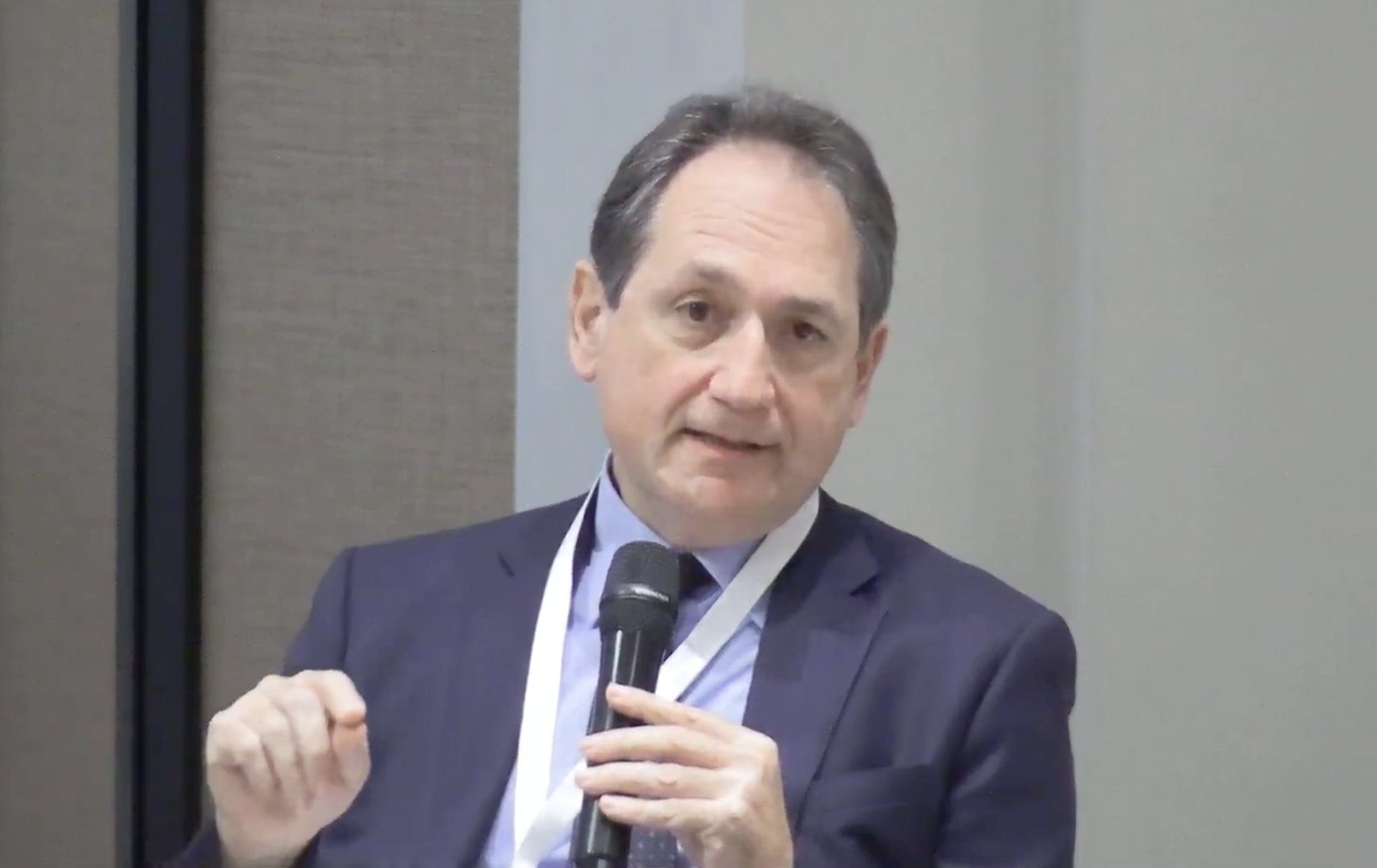 Ogni anno gli IRCCS associati ad Alleanza Contro il Cancro, la Rete Oncologica Nazionale del Ministero della Salute, analizzano circa 18.000 genomi tumorali, una capacità già operativa che sta ridefinendo il rapporto tra ricerca, cura e prevenzione: è anche da questa base concreta che si è sostanziato l’intervento del Presidente di ACC, professor Ruggero De Maria, al convegno “Dialoghi sull’innovazione accessibile – Innovaction”, promosso da Adnkronos e GSK con il patrocinio di Farmindustria e svoltosi quest’oggi.
Nel corso del confronto – stimolato da Tonia Cartolano di Sky Tg24 – De Maria ha ricondotto questo dato a una questione più ampia: il valore dell’innovazione non risiede solo nella sua disponibilità, ma nella capacità di essere resa accessibile e sistemica.
All’interno della rete ACC, l’attività degli IRCCS ha già raggiunto una scala significativa: ogni anno vengono analizzati circa 18.000 genomi tumorali, un flusso di dati che non solo supporta decisioni cliniche più mirate, ma contribuisce anche a costruire basi sempre più solide per interventi di prevenzione e identificazione precoce del rischio. È proprio su questo passaggio che emerge uno dei nodi principali: una quota rilevante di persone con predisposizione genetica al cancro non è consapevole del proprio rischio. Una lacuna che limita l’efficacia delle strategie preventive e che richiama la necessità di un approccio più strutturato.
Le tecnologie oggi disponibili rendono possibile un cambio di passo: analisi genetiche più semplici e sostenibili – con costi nell’ordine di poche decine di euro – possono fornire informazioni utili non solo in ambito oncologico, ma anche su altre patologie e sulla risposta individuale ai farmaci. Tuttavia, perché questo potenziale si traduca in beneficio reale, è necessario superare una logica frammentaria. Secondo De Maria, il punto non è introdurre singole innovazioni, ma costruire una programmazione di sistema, capace di integrare questi strumenti all’interno del SSN e di estenderne l’impatto su larga scala.
In questo scenario si inserisce anche il ruolo crescente dell’intelligenza artificiale e delle capacità computazionali avanzate, che stanno rendendo possibile un utilizzo più efficace dei dati e accelerando il trasferimento delle conoscenze dalla ricerca alla pratica clinica.
«Una ricerca sanitaria più forte»: il Governo approva il riordino degli IRCCS
 Il Consiglio dei Ministri ha approvato in via definitiva il decreto legislativo di riordino degli IRCCS, portando a compimento il percorso di aggiornamento normativo avviato con il decreto n. 200 del 23 dicembre 2022. Il provvedimento interviene sulla governance degli istituti e introduce un’impostazione più strutturata e integrata della ricerca sanitaria, con l’obiettivo di rafforzarne qualità, coordinamento e capacità di trasferimento nella pratica clinica.
«È un passaggio fondamentale per una ricerca sanitaria più forte in Italia, sempre più integrata con assistenza e formazione e al servizio della salute pubblica – dichiara Maria Rosaria Campitiello, Capo del Dipartimento della prevenzione, della ricerca e delle emergenze sanitarie del Ministero della Salute –. Con questo provvedimento, fortemente voluto dal ministro Schillaci che ringraziamo, rafforziamo la governance degli IRCCS e valorizziamo le competenze scientifiche e manageriali, puntando su qualità e merito. È un passo concreto verso una sanità più innovativa, capace di affrontare le sfide del futuro mettendo sempre al centro la salute dei cittadini».
Sul piano del merito, il decreto introduce elementi di maggiore chiarezza organizzativa, rafforza il raccordo tra Direzione generale e Direzione scientifica e valorizza le figure professionali dedicate alla ricerca clinica e alla qualità delle sperimentazioni. Il cambiamento più significativo riguarda la strutturazione delle reti di ricerca degli IRCCS, riconosciute come soggetti dotati di personalità giuridica, con una propria programmazione e modalità di accesso definite a livello ministeriale.
L’impianto complessivo punta a superare la frammentazione tra istituti, promuovendo un modello a rete capace di sostenere la ricerca traslazionale e di accelerare il passaggio dalle evidenze scientifiche ai benefici concreti per i pazienti. Le reti potranno includere università, enti di ricerca senza scopo di lucro e partner industriali, anche su scala internazionale, e opereranno attraverso programmi integrati a cadenza quadriennale, coerenti con le linee di sviluppo dei singoli IRCCS.
In questo quadro, Alleanza Contro il Cancro esprime una valutazione positiva del provvedimento, sottolineando come il rafforzamento delle reti e degli strumenti di coordinamento si inscriva coerentemente nell’evoluzione già in atto nella ricerca oncologica italiana.
«Accogliamo con grande soddisfazione questo provvedimento, che va nella direzione giusta e rafforza la missione degli IRCCS come luoghi nei quali assistenza, ricerca e formazione devono essere sempre più integrate – dichiara il Presidente, professor Ruggero De Maria –. Il correttivo introduce elementi di chiarezza e rafforzamento organizzativo, valorizza le competenze necessarie per la ricerca clinica e riconosce in modo più compiuto il ruolo delle reti di ricerca, che potranno contribuire ulteriormente allo sviluppo di una ricerca collaborativa, traslazionale e capace di generare innovazione a beneficio dei pazienti».
Il riordino consolida così il ruolo degli IRCCS come infrastrutture strategiche del Servizio sanitario nazionale, orientate all’innovazione, alla qualità scientifica e alla capacità di tradurre in tempi più rapidi i risultati della ricerca in strumenti di cura.
Caregiver e innovazione digitale: nuove evidenze sull’impatto clinico e prospettive per l’assistenza oncologica
 La presenza di un caregiver rappresenta un elemento sempre più rilevante nei percorsi oncologici, non solo sotto il profilo umano e assistenziale, ma anche per il possibile impatto sugli esiti clinici; evidenze recenti indicano infatti una riduzione del rischio di mortalità fino al 25% in studi randomizzati che prevedono un coinvolgimento strutturato degli accudenti: questa la sintesi dell’intervento del professor Ruggero De Maria, Presidente della Rete, in occasione dell’incontro “Donne che curano”, dedicato al ruolo della cura e della rete relazionale nei percorsi oncologici, svoltosi nella Sala della Regina alla Camera dei Deputati ed organizzato da W4O.
Negli ultimi anni la letteratura scientifica ha ampiamente documentato il contributo dei caregiver nel migliorare la qualità della vita dei pazienti; più recentemente, stanno emergendo evidenze che suggeriscono un impatto anche sugli esiti clinici: «Il ruolo del caregiver – ha detto De Maria – non si limita al supporto della qualità della vita, ma può incidere in modo significativo anche sull’andamento della malattia, come indicano le evidenze più recenti».
In questo contesto si inserisce l’impegno di ACC – la Rete Oncologica Nazionale del Ministero della Salute – nel sostenere modelli di ricerca e assistenza che integrano dimensioni cliniche e qualità della vita, valorizzando il contributo dei caregiver all’interno dei percorsi di cura.
Parallelamente, l’innovazione tecnologica e, in particolare, l’intelligenza artificiale stanno aprendo nuove prospettive nell’assistenza oncologica. Sono già disponibili, a livello internazionale, piattaforme digitali che consentono a pazienti e caregiver di accedere a informazioni validate scientificamente e di ricevere risposte in tempi rapidi, con sistemi progettati per garantire affidabilità e sicurezza.
Anche in Europa sono in corso iniziative orientate allo sviluppo di strumenti analoghi, con l’obiettivo di rendere sempre più accessibili informazioni qualificate e supportare in modo continuativo pazienti e caregiver lungo tutto il percorso di malattia. Questi sviluppi si inseriscono in un contesto in cui cresce l’attenzione alla fase della “survivorship”, che richiede un accompagnamento strutturato e una gestione integrata dei bisogni clinici e assistenziali.
«L’innovazione tecnologica rappresenta un’opportunità importante per rafforzare i percorsi di cura – ha concluso De Maria – ma resta centrale il valore della relazione umana e della presenza del caregiver, che costituisce un elemento insostituibile nel sostegno al paziente».
Tecnologie, dati e patient-reported outcomes: il paziente al centro della nuova ricerca clinica
 La ricerca clinica in oncologia ed emato-oncologia entra in una fase di trasformazione in cui il paziente assume un ruolo sempre più attivo nella produzione di conoscenza. È il tema al centro del working paper «Protagonista della ricerca. Il paziente al centro dei trial in oncologia ed emato-oncologia», realizzato da TEHA – The European House Ambrosetti e presentato oggi a Roma, nel corso di un confronto tra pazienti, clinici e rappresentanti delle Istituzioni.
A delineare il quadro è il prof. Ruggero De Maria, Presidente di ACC, il quale ha richiamato la necessità di un cambio di paradigma: «La centralità del paziente nella ricerca clinica non può più essere solo un principio etico o comunicativo: deve diventare una categoria scientifica». Il passaggio è reso possibile dall’evoluzione degli strumenti di raccolta dei dati. «Accanto ai dati biologici e clinici tradizionali – ha spiegato – è oggi possibile acquisire informazioni continue e misurabili attraverso wearable avanzati, sistemi di monitoraggio remoto e strumenti digitali per i patient-reported outcomes, ampliando la capacità di osservare l’evoluzione della malattia».
Questa integrazione consente di superare una rappresentazione statica del paziente, introducendo una lettura dinamica e multidimensionale della malattia, in cui la tecnologia contribuisce a cogliere in modo più completo la complessità biologica e umana della persona.
In prospettiva, il quadro è destinato ad ampliarsi ulteriormente con lo sviluppo dell’esposomica, che permetterà di integrare anche le esposizioni ambientali e comportamentali tra i fattori osservati nei trial, con impatti su rischio, progressione e risposta alle terapie.
In questo scenario, il ruolo della rete oncologica nazionale è quello di accompagnare l’evoluzione in corso, favorendo la convergenza tra innovazione tecnologica, qualità scientifica e partecipazione del paziente.
La traiettoria delineata indica un cambiamento strutturale: il paziente non è più solo destinatario della ricerca, ma elemento integrante del suo sviluppo, con ricadute dirette sul disegno dei trial e sulla qualità delle evidenze prodotte.
Annual Meeting 2026: da oggi aperte le iscrizioni e la possibilità di sottomettere abstracts
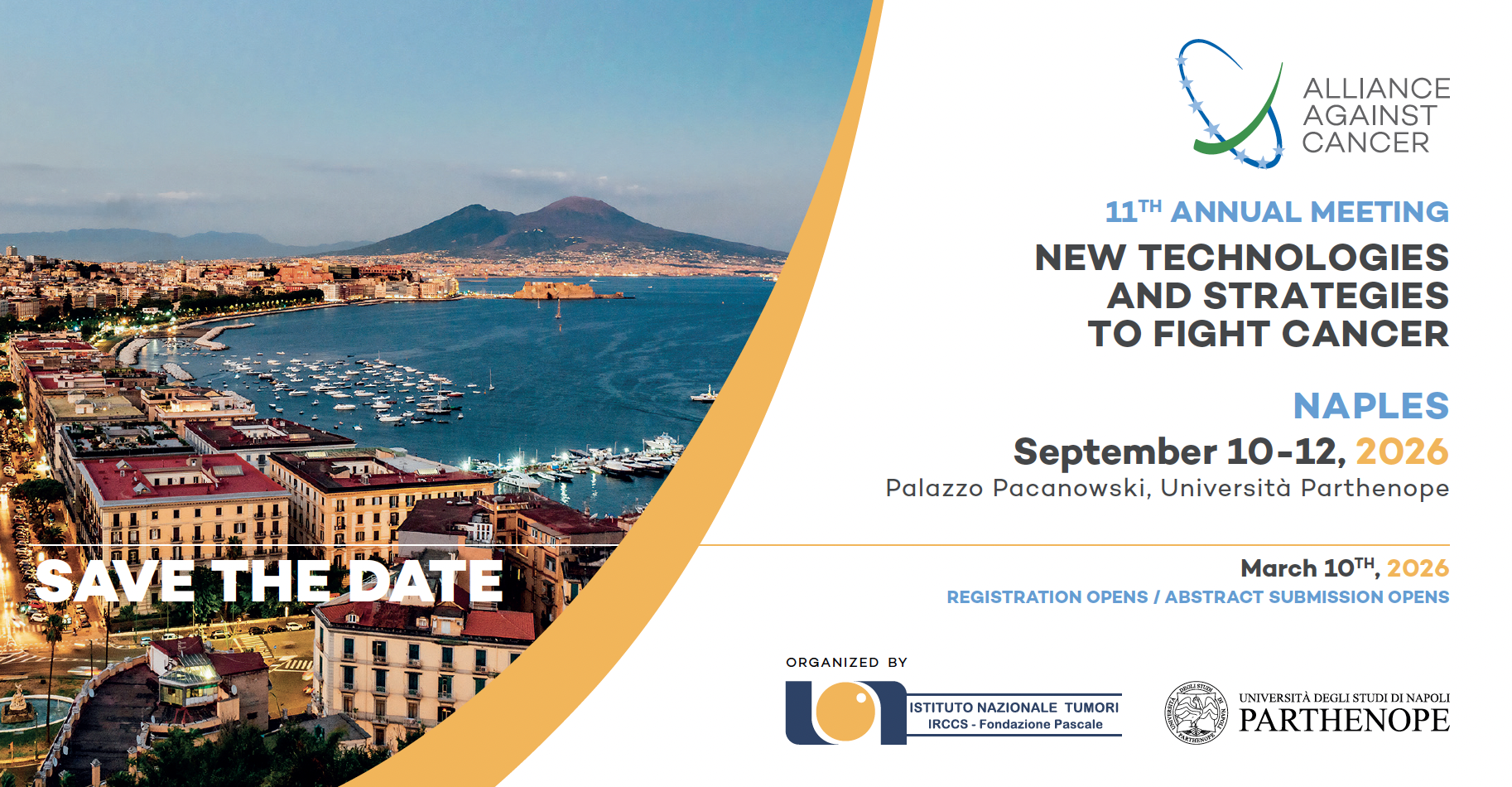 Sono ufficialmente aperte da questa mattina le iscrizioni e la possibilità di sottomettere abstracts all’11° Annual Meeting di Alleanza Contro il Cancro, in programma a Napoli dal 10 al 12 settembre 2026.
L’evento, promosso dalla Rete Oncologica Nazionale del Ministero della Salute e organizzato in collaborazione con l’IRCCS Istituto Nazionale Tumori Fondazione G. Pascale, associato ad ACC, si svolgerà all’Università degli Studi di Napoli Parthenope e sarà dedicato, come consuetudine, al tema New Technologies and Strategies to Fight Cancer.
L’Annual Meeting rappresenta il principale appuntamento scientifico della Rete e costituirà un momento di confronto tra esperti nazionali e internazionali sui più recenti sviluppi della ricerca oncologica. Il programma affronterà le principali neoplasie solide ed ematologiche e approfondirà temi strategici quali immunoterapia, genomica e medicina di precisione, evoluzione delle resistenze terapeutiche, nuovi biomarcatori, biopsia liquida, vaccini oncologici e applicazioni della data science e delle tecnologie innovative in oncologia. Ecco le date da segnare:
- Apertura invio abstract: 10 marzo 2026
- Scadenza invio abstract: 30 aprile 2026
- Comunicazione accettazione abstract: 28 maggio 2026
- Chiusura iscrizioni: 30 giugno 2026
Quote di iscrizione
- Membri ACC (afferenti a Soci della Rete, elenco QUI)
- Non membri ACC: € 305,00 (IVA inclusa)
- Specializzandi e dottorandi: € 100,00 (IVA inclusa)
La quota di iscrizione comprende la partecipazione alle sessioni scientifiche, coffee break e lunch secondo programma, nonché il welcome cocktail.
Le iscrizioni saranno accettate fino a esaurimento dei posti disponibili.
Informazioni, iscrizioni e invio abstract
Tutte le informazioni aggiornate e la procedura di iscrizione sono disponibili al seguente link: https://www.mcmcongressi.it/portfolio-item/11annualmeeting
Presto disponibile anche il programma scientifico.
Neoplasie ginecologiche: aggiornamento clinico 2026 nel convegno in programma il 21 aprile. Come iscriversi
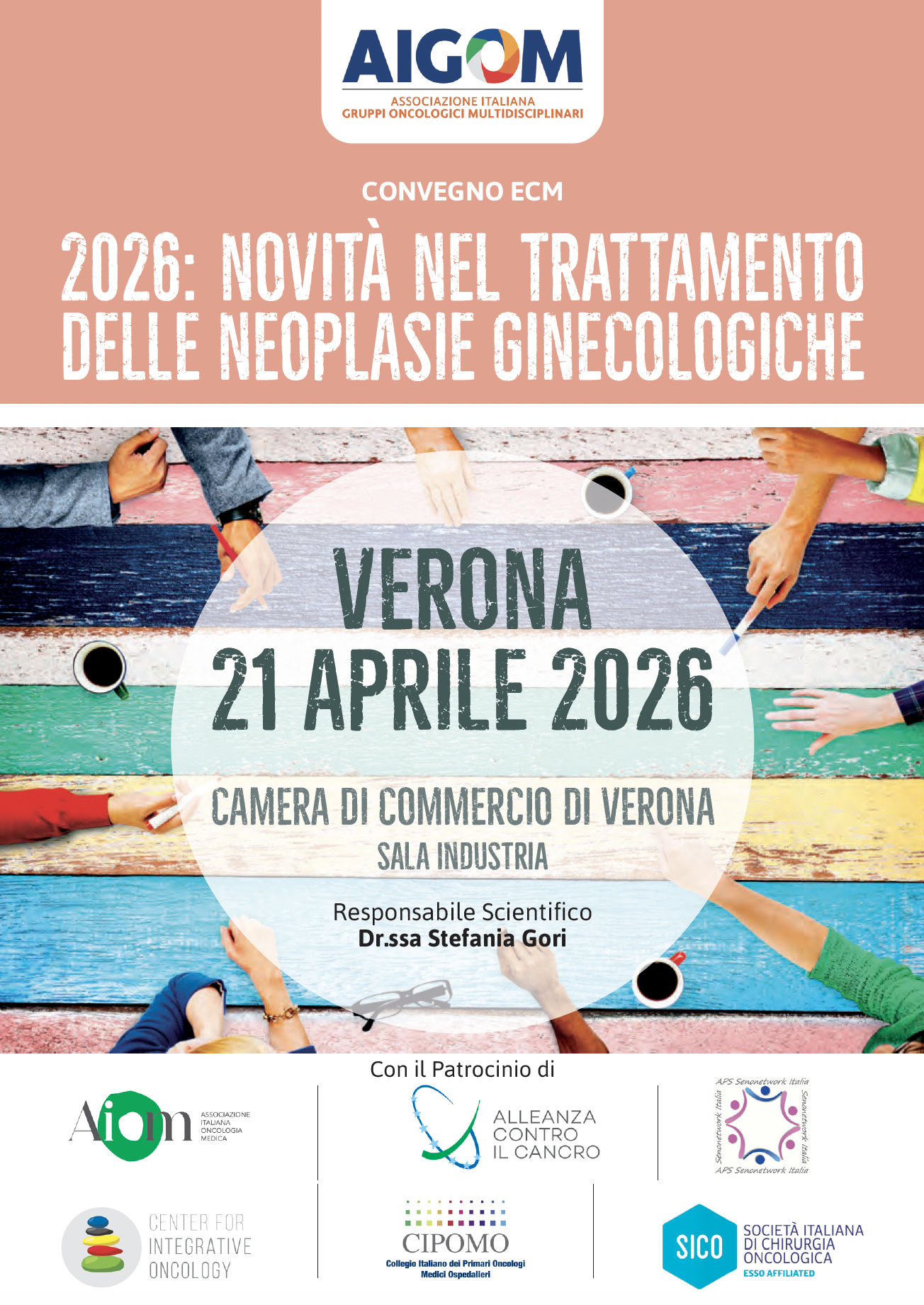 Alleanza Contro il Cancro patrocina il convegno “2026: novità nel trattamento delle neoplasie ginecologiche”, in programma a Verona il 21 aprile 2026 alla locale Camera di Commercio (Sala Industria).
L’iniziativa, a partecipazione gratuita con iscrizione obbligatoria entro il 15 aprile 2026 (salvo esaurimento posti), riunirà specialisti di diverse discipline per un aggiornamento sulle più recenti innovazioni diagnostiche e terapeutiche in ambito ginecologico-oncologico. Responsabile scientifico è la dott.ssa Stefania Gori.
L’evento è rivolto a medici chirurghi (medicina interna, oncologia, radioterapia, chirurgia generale, ginecologia e ostetricia, urologia, anatomia patologica, medicina nucleare, radiodiagnostica, psicoterapia) e farmacisti. Sono stati assegnati 6 crediti ECM.
Le iscrizioni possono essere effettuate online al link: https://www.etruscaconventions.com/congressi/trattamento-delle-neoplasie-ginecologiche/
Fino al 40–50% dei tumori è prevenibile: pubblicata la 5ª edizione dello European Code Against Cancer
 In Europa una quota stimata tra il 40% e il 50% dei tumori potrebbe essere evitata intervenendo sui principali fattori di rischio e rafforzando le politiche di prevenzione: in questo quadro si colloca la pubblicazione, su The Lancet Regional Health – Europe, della quinta edizione dello European Code Against Cancer, riferimento aggiornato per la prevenzione primaria e secondaria in ambito oncologico.
La nuova edizione propone 14 raccomandazioni rivolte ai cittadini, fondate sulle più recenti evidenze scientifiche, e integra per la prima volta indicazioni strutturali destinate ai decisori politici, riconoscendo che la prevenzione efficace richiede interventi sia individuali sia sistemici.
Alla redazione del documento ha contribuito anche Silvia Franceschi, già Direttore Scientifico del Centro di Riferimento Oncologico di Aviano (CRO) IRCCS, Istituto associato alla Rete.
Un contributo che conferma il ruolo attivo della ricerca oncologica italiana nei processi di definizione delle strategie europee di prevenzione.
Il documento completo è disponibile per il download QUI
World Cancer Day 2026, primi segnali di calo in Europa e Italia | Il ruolo di ACC
 In occasione del World Cancer Day, che si celebra il 4 febbraio, emergono i primi segnali di inversione di tendenza nell’andamento dei tumori in Europa e in Italia, in un quadro ancora segnato da disuguaglianze rilevanti. A delineare il punto della situazione è Diego Serraino, epidemiologo e consulente di Alleanza Contro il Cancro, la Rete Oncologica Nazionale del Ministero della Salute.
Secondo i più recenti dati europei, il 2026 si apre con una diminuzione dell’incidenza complessiva dei tumori pari all’1,7% in Europa e al 2,6% in Italia rispetto al 2022. Un risultato attribuibile in larga parte a quanto osservato nella popolazione maschile, dove si registra una riduzione di circa l’1% l’anno, trainata dal calo dei tumori legati al fumo, in particolare del polmone.
«Siamo finalmente all’inizio di una discesa quantitativa dei tumori in Europa e in Italia», sottolinea Serraino. «Un risultato che conferma l’efficacia delle politiche adottate». Il quadro resta invece più critico per la popolazione femminile. In diversi Paesi europei, soprattutto nel Nord e nell’Est del continente, l’incidenza rimane elevata, riflettendo l’ondata più tardiva del consumo di sigarette tra le donne. La Danimarca rappresenta oggi il Paese con la più alta incidenza oncologica in Europa, in particolare per tumore del polmone e del colon-retto nelle donne, a fronte di carenze evidenti nelle politiche di prevenzione primaria e secondaria.
La riduzione della mortalità oncologica è ormai un dato consolidato. Tuttavia, come ricordano le istituzioni europee, cancer is a disease of inequalities, e non dipende solo dal livello di spesa sanitaria, ma da un insieme di investimenti e scelte di programmazione. Permangono infatti forti differenze tra Paesi e aree geografiche, in particolare nell’Europa orientale, anche se con quadri interni non omogenei.
Per affrontare queste disuguaglianze, l’Europa ha rafforzato gli strumenti di monitoraggio attraverso l’European Cancer Inequalities Registry e l’European Cancer Information System, sui cui dati ACC è impegnata in prima linea per documentare l’impatto delle politiche sanitarie e individuare margini di intervento. I risultati di queste analisi sono stati presentati nel corso del 2025 in sedi scientifiche internazionali, suscitando ampio interesse.
Anche in Italia persistono differenze territoriali, in particolare tra Nord e Sud, ma il divario si è significativamente ridotto rispetto a un decennio fa. Un’evoluzione che conferma il valore della prevenzione, della programmazione e dell’uso sistematico dei dati come leve centrali per il contrasto ai tumori.

